Find the Leak.
Fix the Cause.
Clear, documented roof repair guidance for Pearland homes and properties. Review active leaks, missing shingles, failed flashing, pipe boots, wind damage and temporary weather protection—without being pushed toward work the evidence does not support.
Roof Repair Services
Start With the Failure Point, Not a Sales Pitch
A ceiling stain shows where water became visible, not always where it entered. Water can move along decking, rafters, fasteners and insulation. A durable repair starts by tracing that path and assessing the surrounding roof assembly.
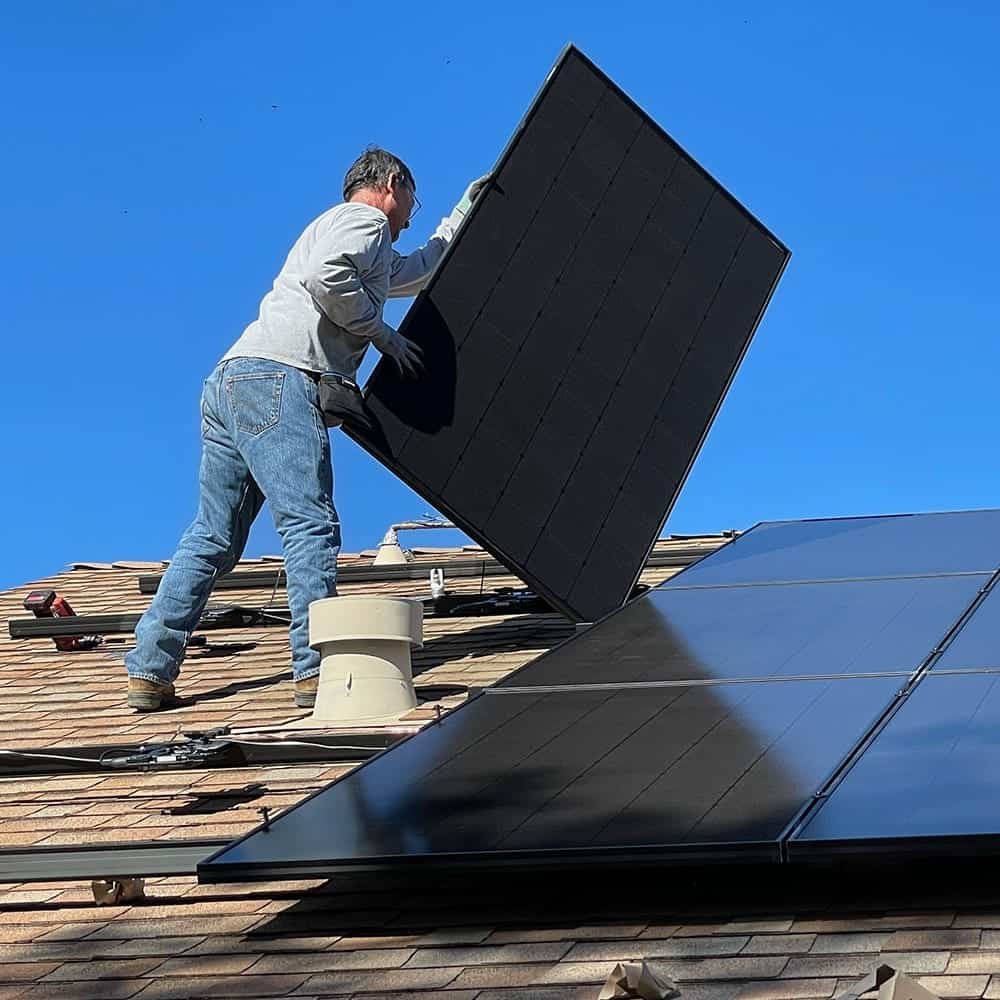
Roof Leak & Shingle Repair
Diagnosis and localized repair for missing, lifted, creased, punctured or deteriorated asphalt shingles, including the underlayment and decking below the affected area.

Storm Damage & Emergency Tarping
Inspection for displaced shingles, damaged caps and edges, debris impact, exposed underlayment and water entry, with temporary protection when conditions allow.
Emergency repair and tarping
Flashing, Vent & Pipe-Boot Repair
Evaluation of wall transitions, valleys, roof vents, plumbing penetrations, exposed fasteners and sealant failures—the details behind many recurring leaks.
Prepare for an inspection
What We Inspect
Roof Repair Begins With a Documented Diagnosis
The scope should match the property and the symptom. When safe and accessible, an assessment considers the interior water pattern, attic conditions, exterior roof surface and the transitions most likely to admit wind-driven rain.
- Interior stain pattern and the weather conditions that expose it
- Accessible attic decking, water tracks, penetrations and ventilation
- Shingles or membrane, ridges, hips, eaves, rakes and valleys
- Plumbing boots, exhaust vents, skylights, curbs and fasteners
- Step flashing, counterflashing and roof-to-wall transitions
- Underlayment, roof-deck condition and material compatibility
- Photographs, repair options, limitations and possible concealed conditions
Roof Leak Triage
How Urgent Is the Roof Problem?
The visible symptom helps establish urgency, but it does not replace inspection. Stay clear of sagging ceilings, water near electrical fixtures and visibly unstable roof areas.
| What you notice | What it may indicate | Recommended response |
|---|---|---|
| Active dripping or wet drywall | An open leak with water moving through the assembly | Protect the area and request prompt inspection |
| Missing or visibly creased shingles | Wind uplift and possible exposed underlayment | Inspect before the next rainfall |
| A stain that grows after each storm | Unresolved flashing, penetration or shingle failure | Trace the source rather than repainting |
| Soft, sagging or deformed decking | Prolonged moisture or structural deterioration | Keep clear and arrange urgent professional assessment |
| Granules collecting in gutters | Aging, abrasion or possible impact damage | Compare with roof age and inspect the shingle field |
| Damp attic deck without a rain pattern | Condensation, ventilation or concealed leakage | Assess both attic conditions and exterior roofing |
Local Roofing Conditions
Built Around Pearland’s Heat, Humidity and Heavy Rain
Pearland roofs operate in a Gulf Coast environment where long periods of heat and humidity meet thunderstorms, wind-driven rain, hail and tropical weather. Small weaknesses at shingle edges, valleys, penetrations and flashing can become interior leaks even when the roof looks normal from the street.
The City of Pearland extends through parts of Brazoria, Harris and Fort Bend counties. Its current adopted-code page lists the 2021 International Residential Code and county-specific design criteria, including a structural rain-load value of 4.5 inches per hour. The physical address—not only “Pearland” in the mailing address—should guide permit and jurisdiction checks.
Common Pearland Leak Sources
What Local Weather Tends to Expose
- Wind-lifted, missing or creased asphalt shingles
- Failed flashing at walls, chimneys, valleys and transitions
- Cracked plumbing boots and disturbed roof vents
- Exposed or backed-out roofing fasteners
- Damaged ridge caps, hip caps, rakes and eaves
- Debris slowing drainage at valleys, gutters and scuppers
- Hail-related granule loss requiring pattern-based assessment
- Attic moisture caused by leaks, ducts or ventilation imbalance
Repair or Replacement?
Not Every Roof Leak Requires a New Roof
A focused repair can be reasonable when the failure is localized, the surrounding roof remains serviceable, the deck is sound and compatible replacement material is available.
A broader replacement discussion may be appropriate when damage is widespread, shingles are brittle or repeatedly failing, leaks appear in several unrelated areas, a large portion of the decking is deteriorated or earlier repairs did not correct the underlying problem.
Localized Damage
A limited shingle, boot, flashing or fastener failure may support a focused repair.
Material Condition
Brittleness, compatibility and discontinued products influence whether a sound patch is possible.
Deck Integrity
Soft, delaminated or decayed decking should not be hidden below new shingles.
Leak History
Recurring leaks in unrelated areas can point to a larger system problem.
A Clear Repair Process
From First Symptom to Documented Work
The process should reduce uncertainty at every step, including what was observed, what is proposed and what could only be confirmed after material removal.
Tell Us What Happened
Share the address, visible symptom, timing and recent weather.
Inspect the Assembly
Review the affected interior, attic and exterior areas when accessible.
Review the Findings
Understand the likely source, visible damage and inspection limits.
Approve a Clear Scope
Confirm materials, price, exclusions, changes and applicable warranty terms.
Roof Damage and Insurance
Documentation Without Claim Promises
A roofing contractor can document visible conditions and provide a repair or replacement estimate. The insurance company interprets the policy and decides whether the loss is covered.
Texas does not allow a contractor who may perform the work to act as the homeowner’s public insurance adjuster on that project. A contractor should not promise to negotiate coverage, “get every dollar” or speak as the policyholder’s adjuster.
Know Before You Sign
Texas Deductibles Cannot Be Waived
Texas prohibits contractors from waiving, rebating or absorbing a property-insurance deductible. The deductible is the policyholder’s responsibility.
- Review the declarations page for wind or hail deductibles.
- Ask the insurer whether coverage is replacement cost or actual cash value.
- Report the loss directly to the insurer or agent.
- Keep photographs, estimates, contracts, invoices and receipts.
- Ask the insurer—not the roofer—questions about coverage.
Understand the Policy Language
Why a Roof Claim Payment May Not Equal the Contractor’s Estimate
The policy—not the roofing proposal—controls what the insurer owes. Check the declarations and endorsements, then ask the insurer or agent to explain the roof coverage, deductible, depreciation and any documents or completion deadline tied to additional payment.
Replacement-cost coverage
This coverage is generally based on current repair or replacement cost, subject to the policy, deductible and limits. TDI notes that a covered replacement-cost roof claim may be paid in stages.
Actual-cash-value coverage
Actual cash value factors in depreciation based on age and condition. The deductible and policy terms still apply, so the payment may be substantially less than the current replacement price.
The first check may be partial
For some replacement-cost claims, the insurer first pays a partial amount and releases additional covered funds after repairs begin or required documentation is provided. Ask the insurer what applies to your policy.
Texas Homeowner Protection
How to Vet a Roofer After a Pearland Storm
Urgency after hail, wind or an active leak can make a high-pressure offer sound attractive. Slow the sales conversation down long enough to verify the company, compare a written scope and understand who is responsible for permits, insurance questions and the work itself.
Do not sign a blank form
Read every inspection authorization, contingency agreement and contract. Do not sign a document with blank prices, materials, dates or cancellation terms.
Compare written scopes
Obtain more than one bid when conditions allow. Compare repair boundaries, materials, decking allowances, flashing, ventilation, cleanup, payment stages and workmanship terms—not only the total.
Verify the actual provider
Confirm the legal business name, physical contact information, insurance and applicable city registration or permit responsibility. Ask who will supervise and perform the work.
Reject deductible promises
Texas prohibits contractors from waiving, rebating or absorbing a property-insurance deductible. “We will cover it” or “work it into the bid” is a red flag.
Keep insurance roles separate
A contractor may document conditions and provide an estimate, but should not promise coverage, negotiate the claim as your adjuster or guarantee what the insurer will pay.
Tie payment to clear milestones
Know the deposit, material delivery, progress and final-payment terms. Keep the contract, change orders, invoices, permit records, photos and proof of each payment.
Pearland Roof Repair FAQ
Practical Answers Before You Schedule
How quickly should a leaking roof be inspected?
Active water entry should be addressed promptly because moisture can spread beyond the visible stain. Prioritize occupant safety and interior protection, then arrange temporary weather protection and diagnosis when conditions are safe.
Can only a few missing shingles be repaired?
Often, yes, when damage is localized and the surrounding roof remains serviceable. Repairability also depends on shingle condition, brittleness, fastening, underlayment, decking and compatible product availability.
Why is the ceiling stain not directly below the roof leak?
Water can travel along decking, rafters, fasteners, pipes or insulation before becoming visible. The inspection should trace the path rather than assume the exterior opening is directly above the stain.
Is emergency tarping a permanent roof repair?
No. A tarp or temporary membrane helps limit further water entry until permanent work can be completed. It does not repair damaged shingles, flashing, underlayment or roof decking.
Does hail always leave obvious roof damage?
No. Hail effects vary with hail size, wind, material, age and impact angle. Granule loss alone does not prove a recent hail event; distribution, exposed asphalt, mat condition and related exterior indicators matter.
Should an older roof be repaired or replaced?
Age is only one factor. A localized failure on an otherwise serviceable roof may still be repairable. Widespread deterioration, repeated leaks, brittle material or extensive deck damage can make replacement more practical.
Will homeowners insurance pay for roof repair?
Coverage depends on the policy, cause of loss, roof condition, deductible and insurer’s decision. Insurance may cover sudden storm damage but generally does not replace a roof solely because it is old or worn.
Can a Texas roofer waive my deductible?
No. Texas prohibits a contractor from waiving, rebating or absorbing a property-insurance deductible. A promise to “cover” the deductible is a warning sign.
Does roof work require a permit in Pearland?
Requirements depend on the property’s jurisdiction and the scope of work. Because Pearland spans three counties, the contractor should verify the physical address with the applicable permitting authority before work begins.
Which Pearland ZIP codes are covered?
Planned routing covers Pearland’s primary street-delivery ZIP codes, 77581 and 77584, subject to verified provider availability. A 77588 mailing address must be checked against the physical property location before any service representation is made.
How can I tell whether a post-storm roofing offer is legitimate?
Do not rely on urgency, a neighborhood claim or a promise of a “free roof.” Verify the provider’s identity and insurance, compare written scopes, read every document and ask your insurer—not the contractor—about coverage.
Can a roofer negotiate my insurance claim in Texas?
A contractor can document observable roof conditions and provide a repair estimate. Texas restricts a contractor from acting as your public insurance adjuster on a project when the contractor may also perform the work.
Why might the first roof-claim check be lower than the repair estimate?
The payment may reflect the deductible, depreciation, policy limits or a staged replacement-cost process. Ask the insurer to explain the calculation and what documentation is required for any additional covered payment.
What is the difference between replacement cost and actual cash value?
Replacement-cost coverage is generally based on current repair or replacement prices, subject to the policy. Actual cash value subtracts depreciation for age and condition. The insurer or agent should confirm which roof coverage and endorsements apply.
Do you handle residential roof repair in Pearland, TX?
Yes. This service-request site handles residential roof-repair requests across Pearland, connecting callers with independent roofing providers. Guidance is repair-first: a documented inspection determines whether a focused repair is durable before any larger scope is discussed.
How quickly can a roofer come out for a leak emergency in Pearland?
Response depends on weather, the roof condition, the property location and independent provider availability. No arrival time is guaranteed until a provider confirms the request. Call (346) 686-2477 and a routing team member will confirm the next steps.
Roof Repair in Pearland, Texas
Call Now for a Documented Roof Inspection
Prepare the property address, visible symptoms, when the problem began and any immediate safety concern. Call (346) 686-2477 and a member of the routing team will confirm availability, inspection scope and any fee before dispatch.